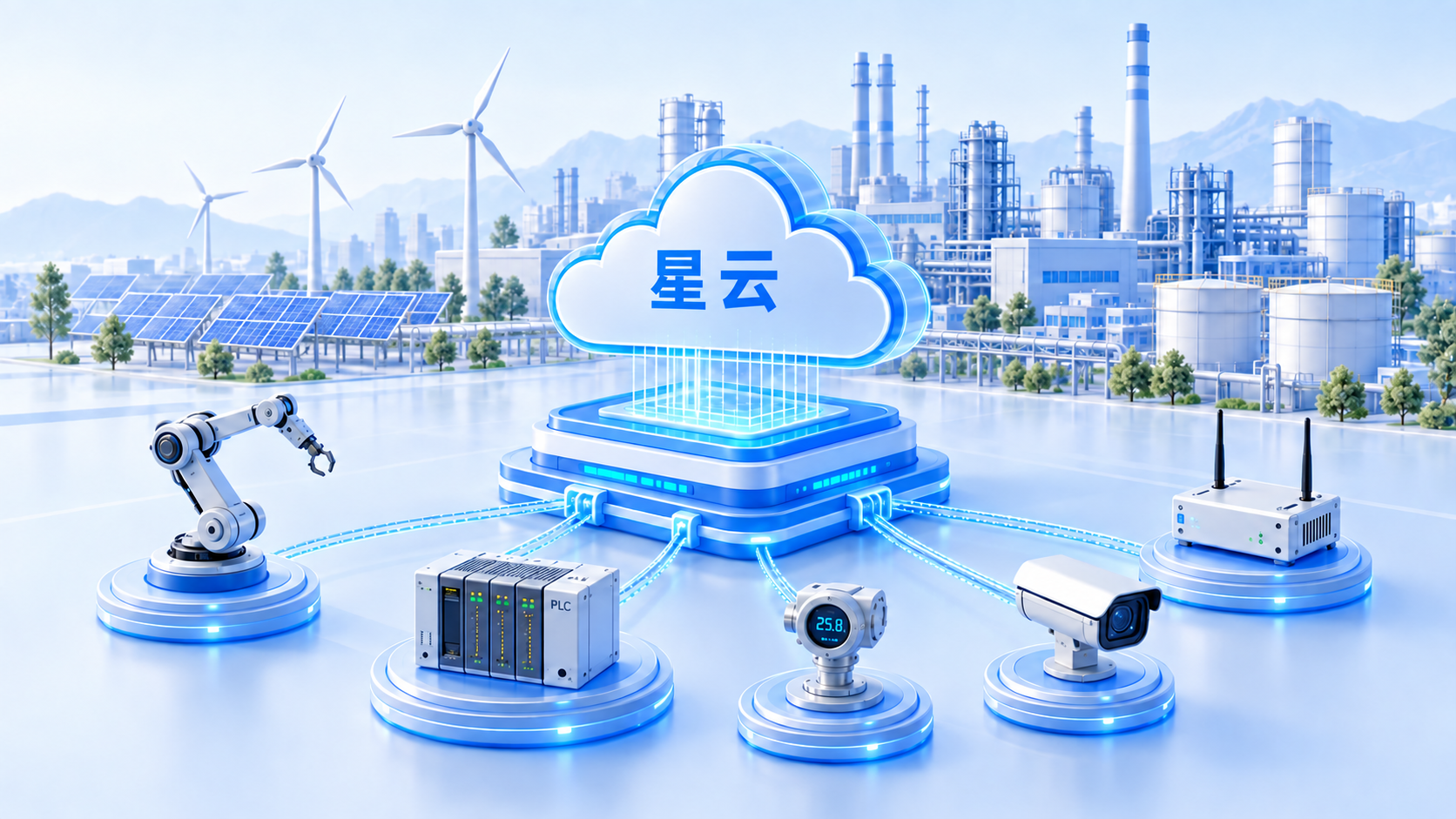
Nebula IoT Platform
An integrated IoT foundation built for engineering
Standardize heterogeneous device access with thing models. Combine rules and edge computing for visual coordination and automated operations, bringing field devices under unified management and supporting more efficient engineering workflows.
Connect field data to business workflows
Connect industrial devices through protocol adapters, low-code orchestration and open integration, so field data can support monitoring, coordinated actions and business workflows.
- Connect different field devices through multiple protocols
- Use low-code flows to organize data processing and business actions
- Provide device data to existing business systems through open integration
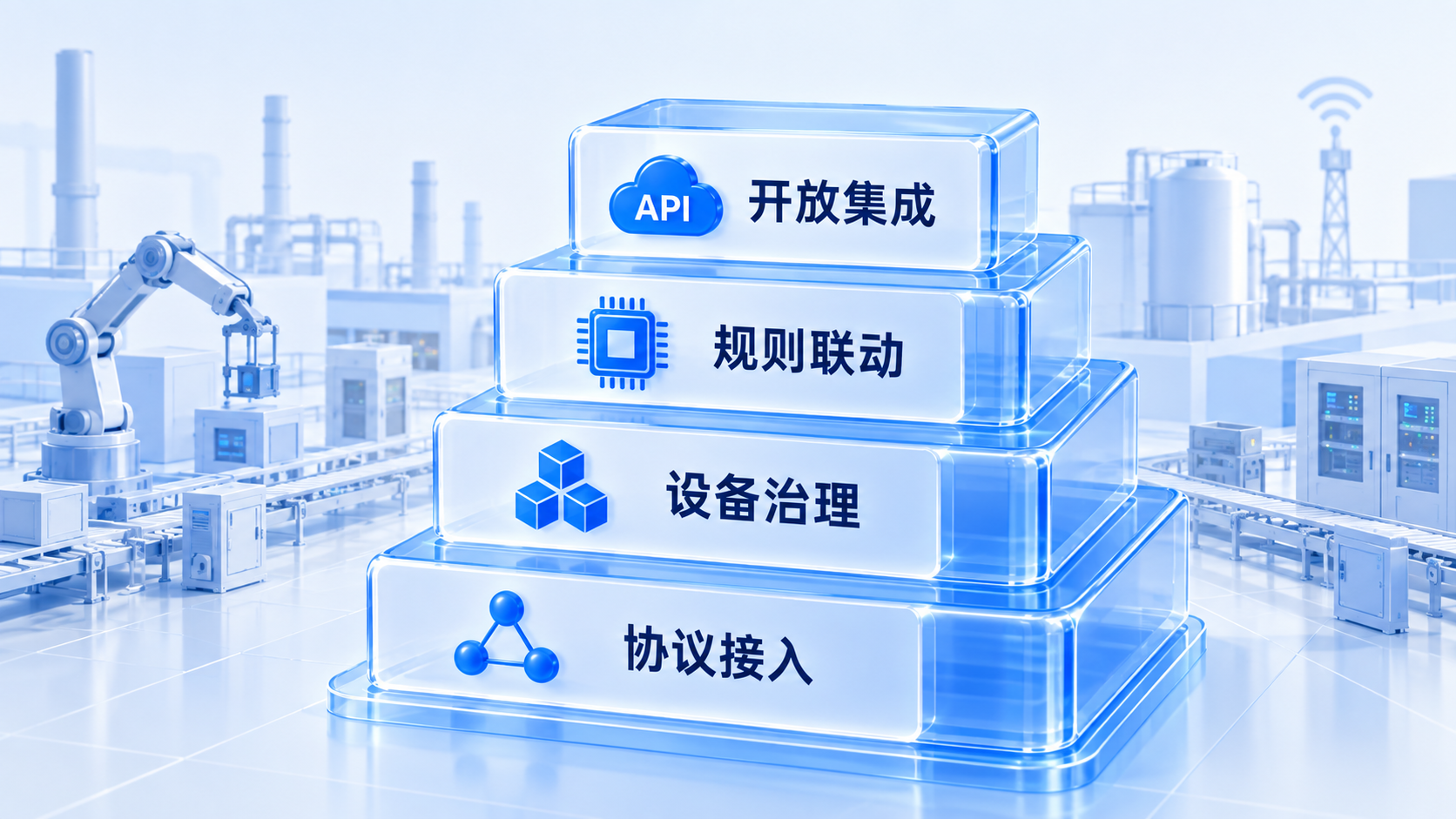
Reusable IoT platform capabilities
Manage protocol adaptation, devices, stored data and service access together, creating IoT capabilities that can be reused across projects.
- Protocol access: connect and adapt field devices consistently
- Device governance: organize devices, device models and operating data
- Rules and integration: connect device events to business workflows
From industrial devices to business applications
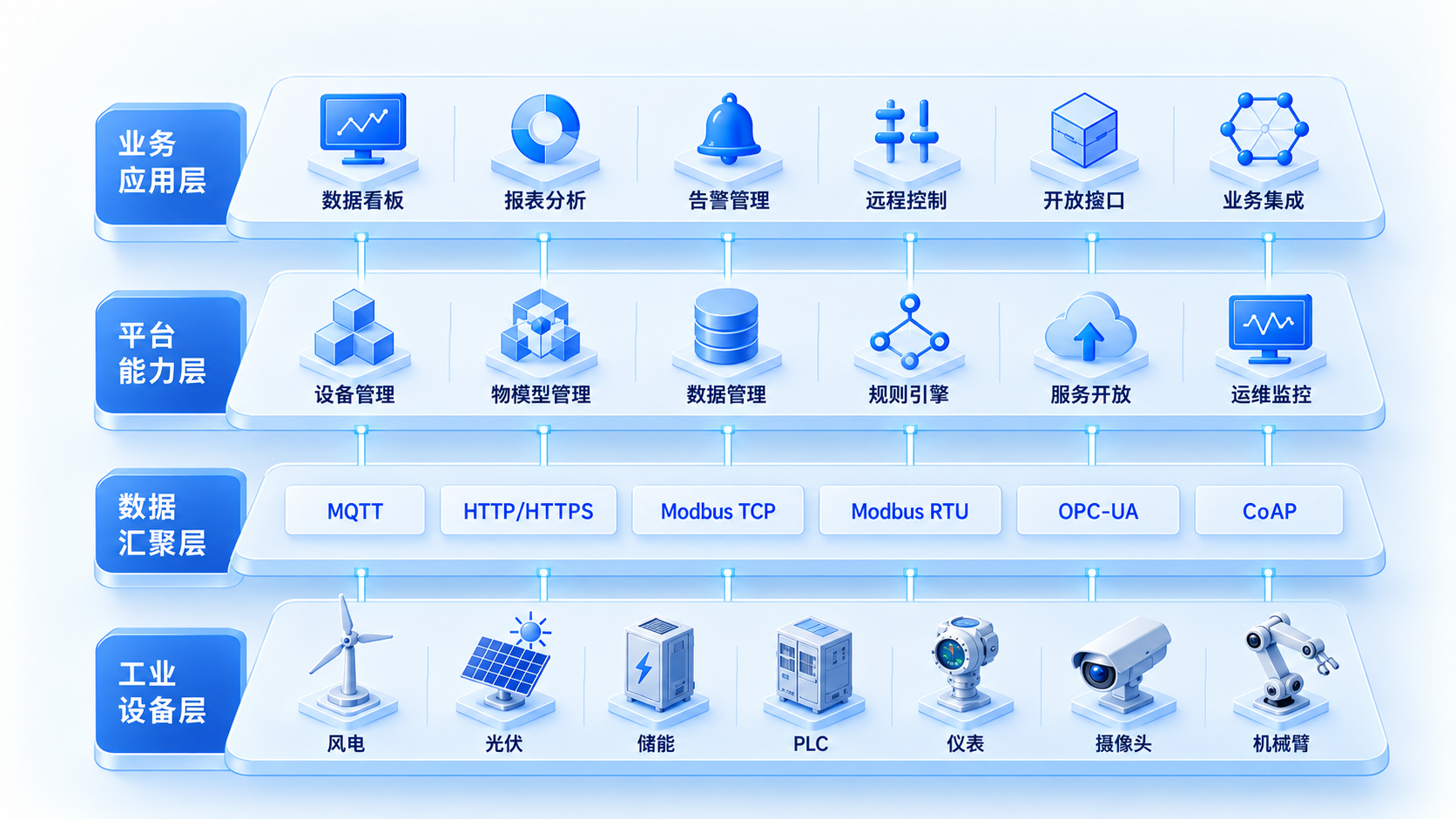
Collect field data through protocol adapters and edge gateways, then aggregate data, manage devices, apply rules and expose services through the platform.
- Industrial devices: wind turbines, solar systems, energy storage, PLCs, meters, cameras and robotic arms
- Data collection: MQTT, HTTP/HTTPS, Modbus TCP/RTU, OPC-UA and CoAP
- Platform services: device models, data management, rules, open services and operational monitoring
- Business applications: dashboards, reports, alarms, remote control, APIs and integration
Unified protocol access
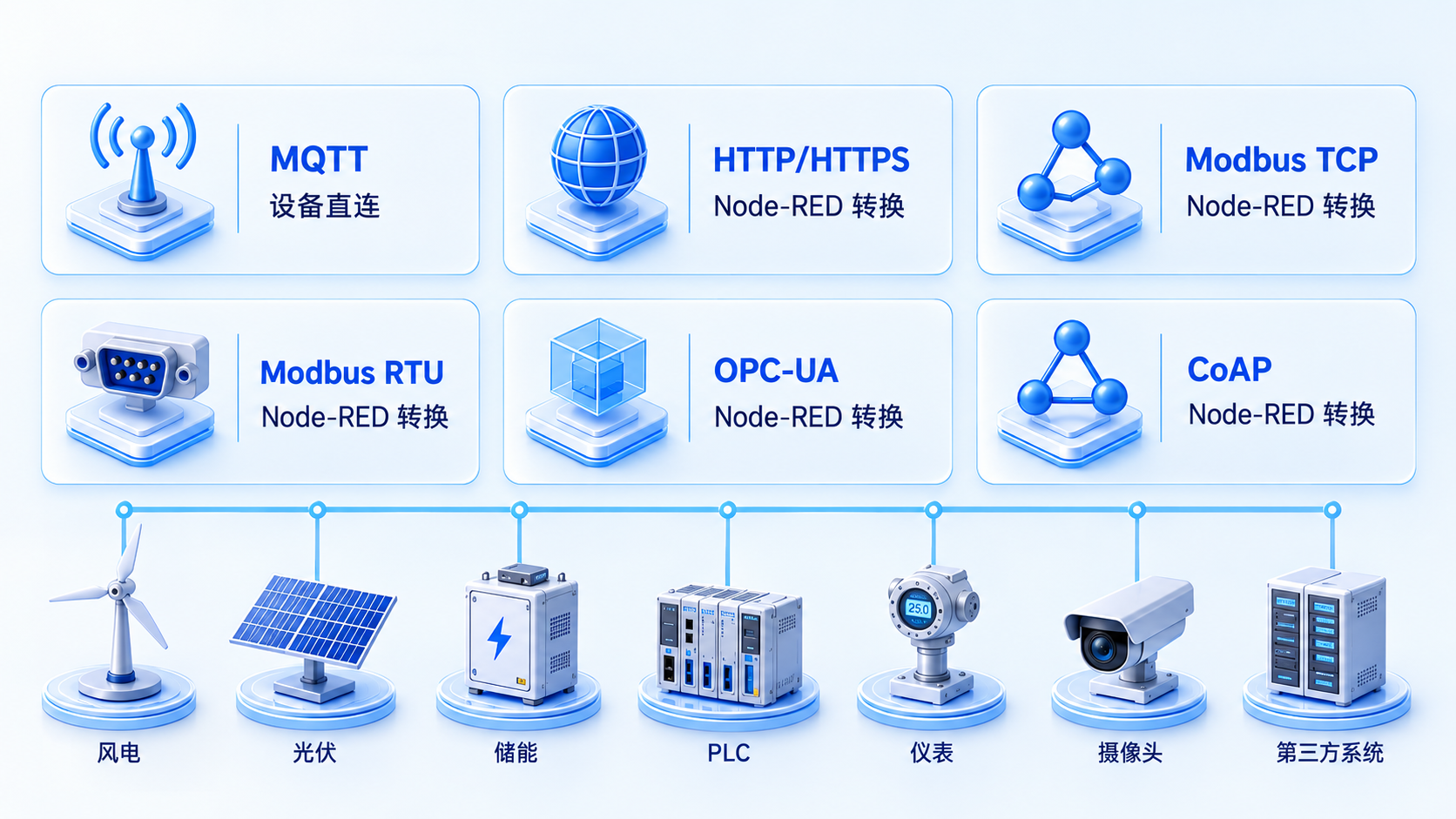
Connect MQTT devices directly. Adapt other protocols through Node-RED visual flows and protocol conversion to reduce repeated integration work.
- MQTT devices connect directly to the platform
- Convert HTTP/HTTPS, Modbus TCP and Modbus RTU through Node-RED
- Convert OPC-UA and CoAP through Node-RED
- Connect wind, solar, storage, PLCs, meters, cameras and third-party systems
Define device models once and reuse them
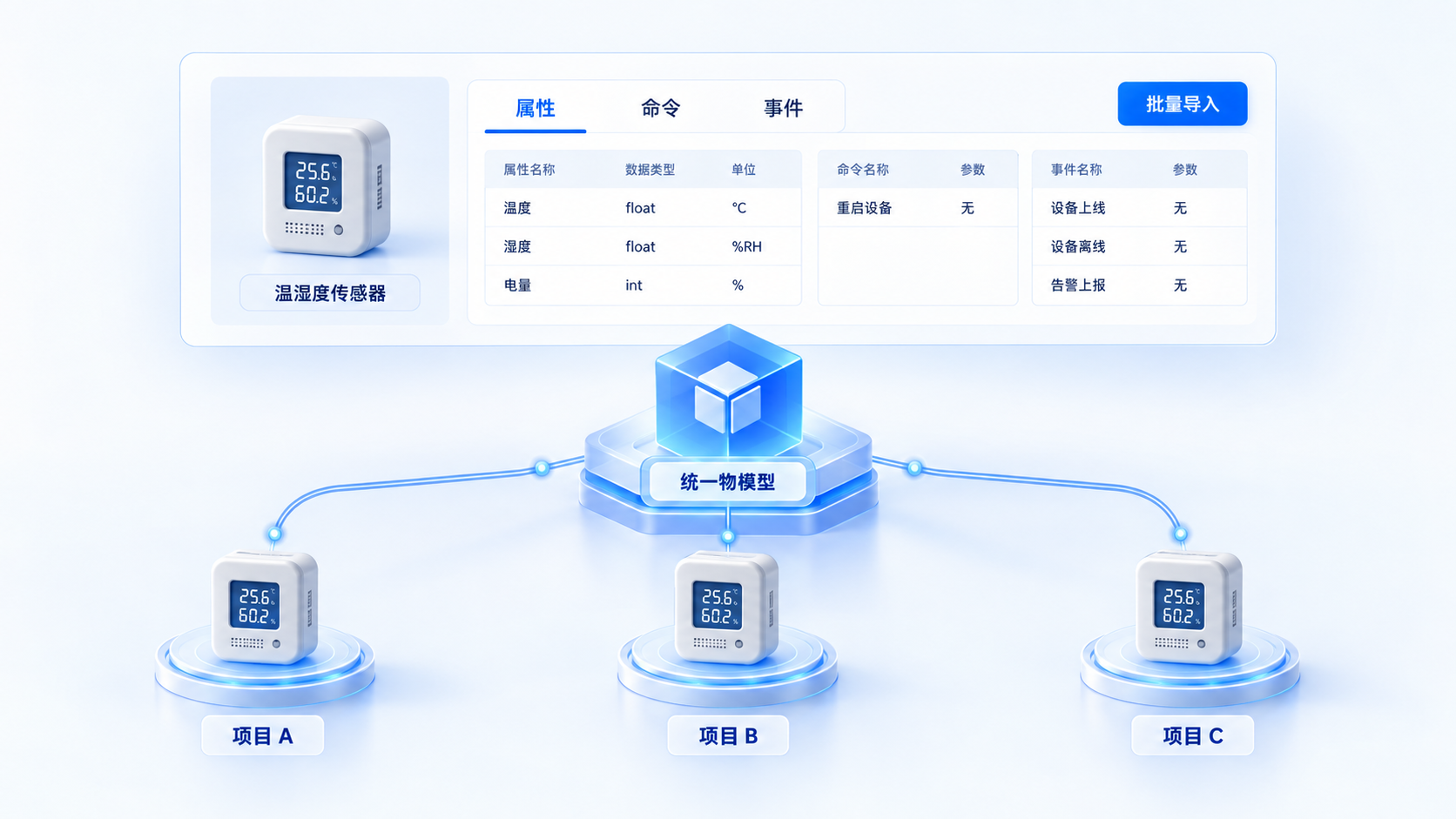
Define device properties, commands and events consistently so the same device types can share a data model across projects.
- Properties: specify data types, units and read/write access
- Commands: define supported operations and their parameters
- Events: describe connections, disconnections and alarms
- Bulk import: maintain model definitions for similar devices together
Manage the device lifecycle
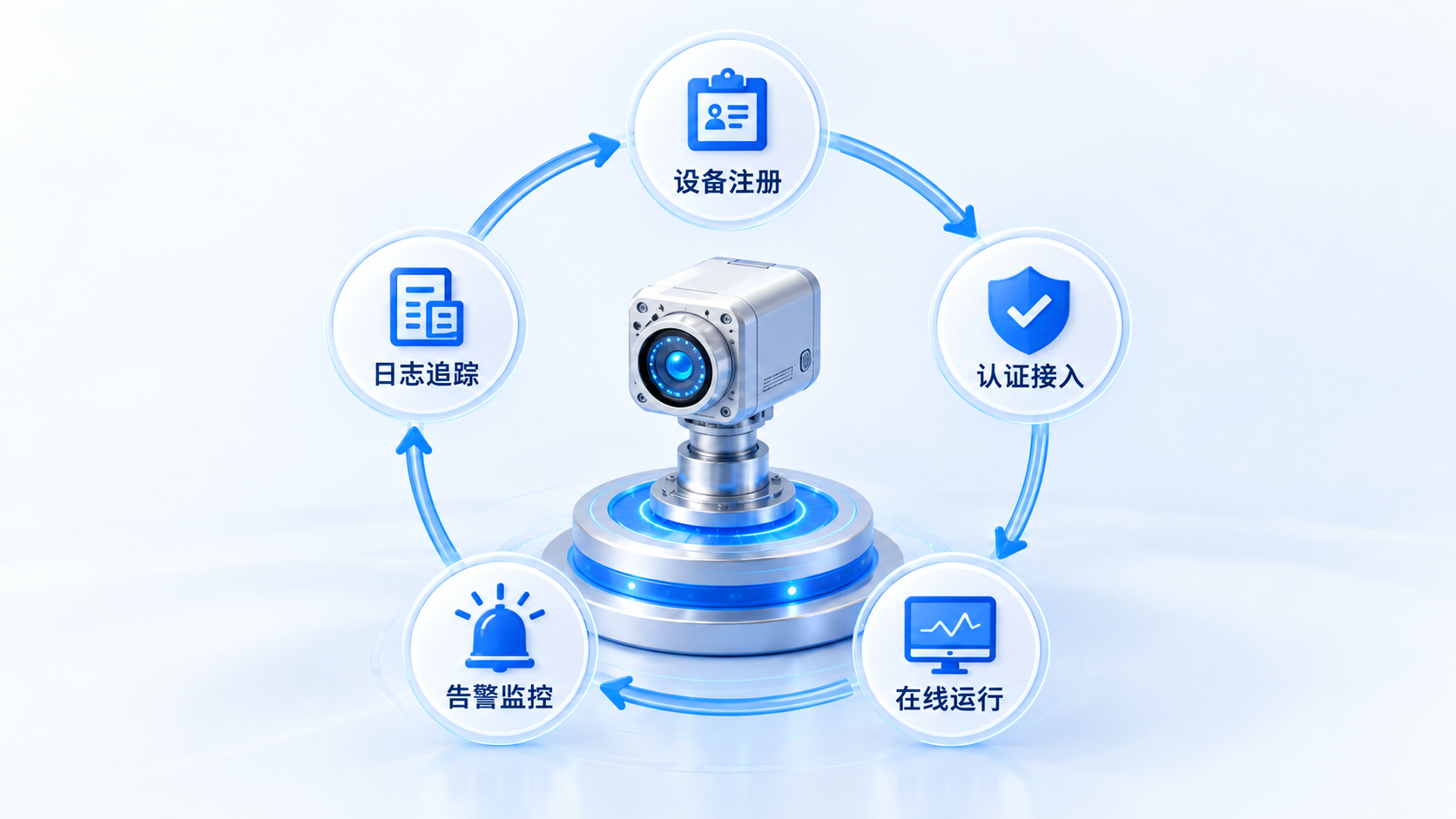
Manage registration, authentication, operation, alarms and logs in one place to trace device status and investigate operational issues.
- Registration and authentication: establish device identity and validate access
- Operation and alarms: track status and exceptional events
- Logs: trace connection and operating history
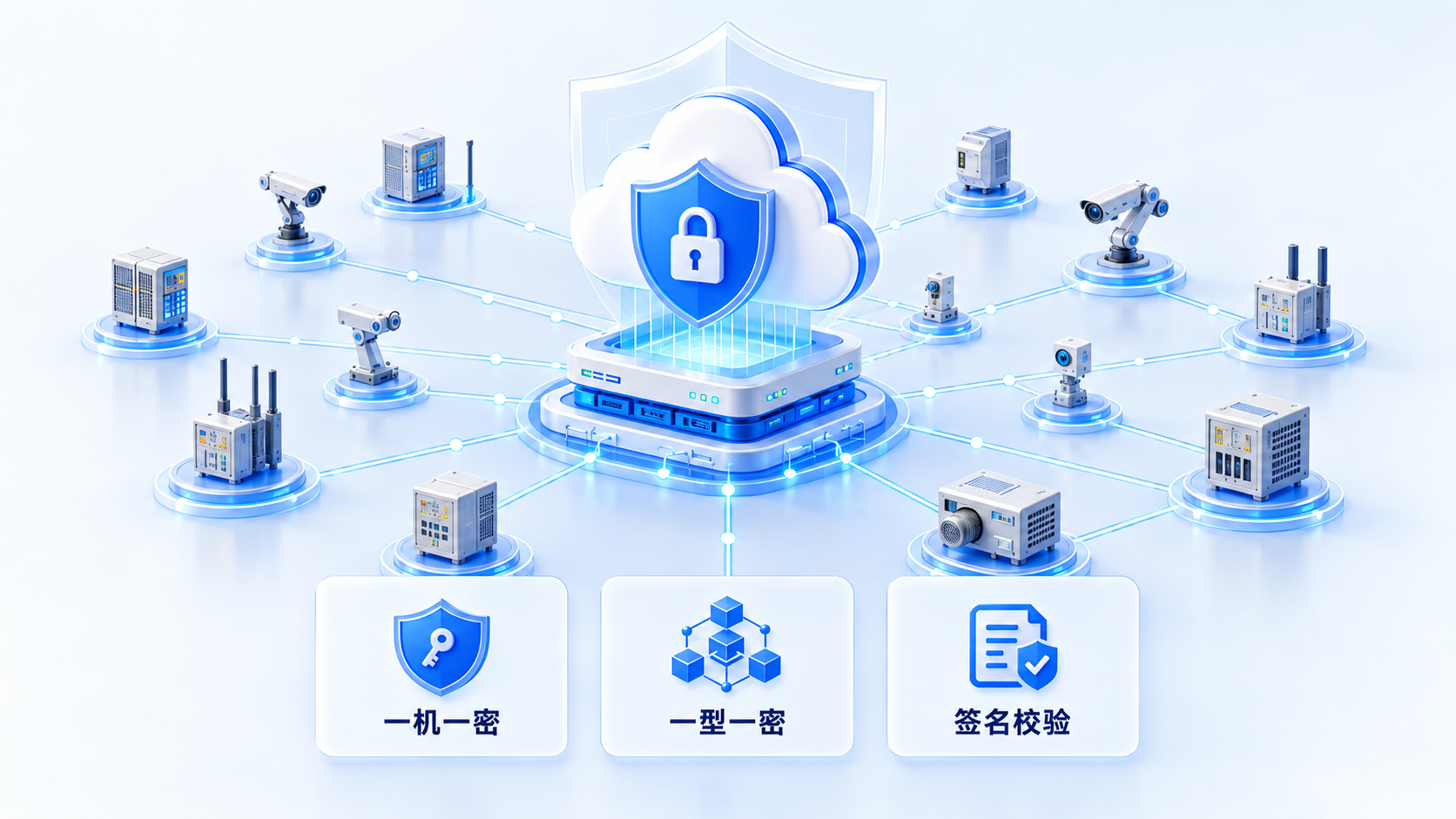
Secure authentication and concurrent connections
Use device-specific keys, model-specific keys and signature verification to authenticate devices. A single node supports more than 100,000 online devices for large-scale access and management.
- Device-specific keys give each device a distinct identity
- Model-specific keys simplify provisioning for devices of the same type
- Signature verification detects tampering and protects communications
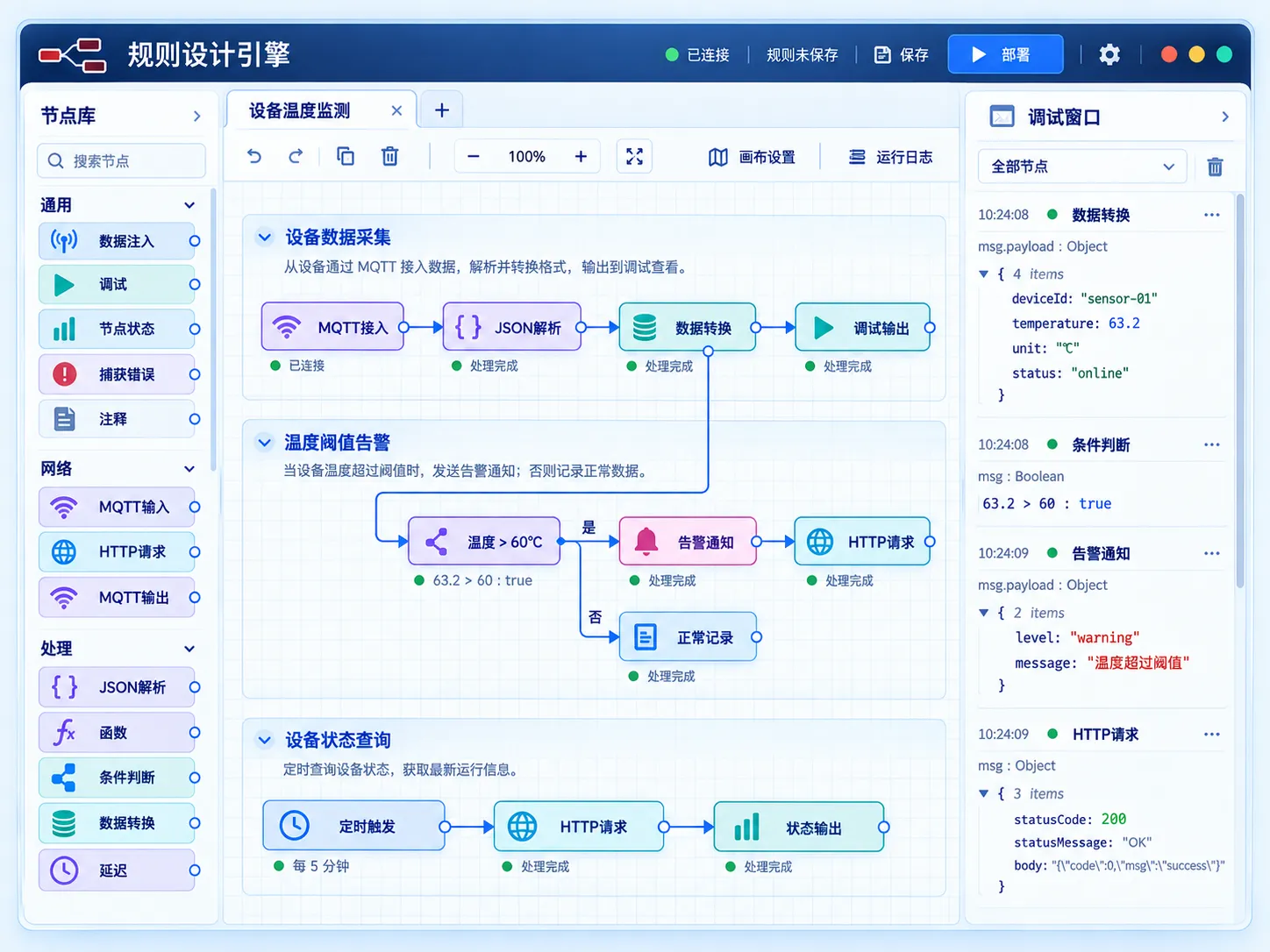
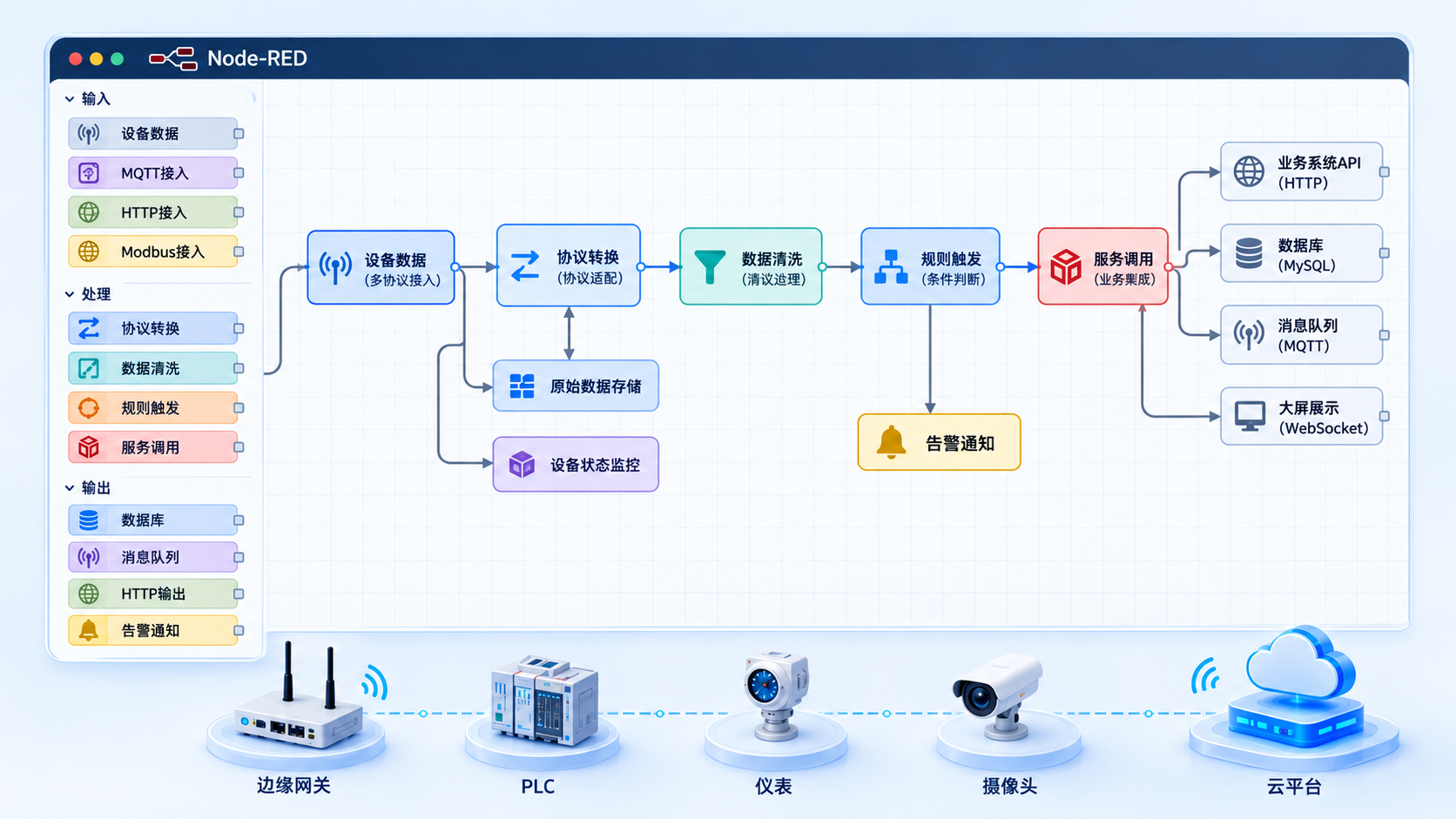
Visual protocol adaptation with Node-RED
Connect visual nodes for protocol conversion, data cleaning, rule triggers and service calls to create configurable field-data workflows.
- Collect device data, convert protocols and clean records
- Combine raw-data storage, status monitoring and alarm notifications
- Connect business systems, databases, message queues and dashboards through HTTP, MySQL, MQTT or WebSocket
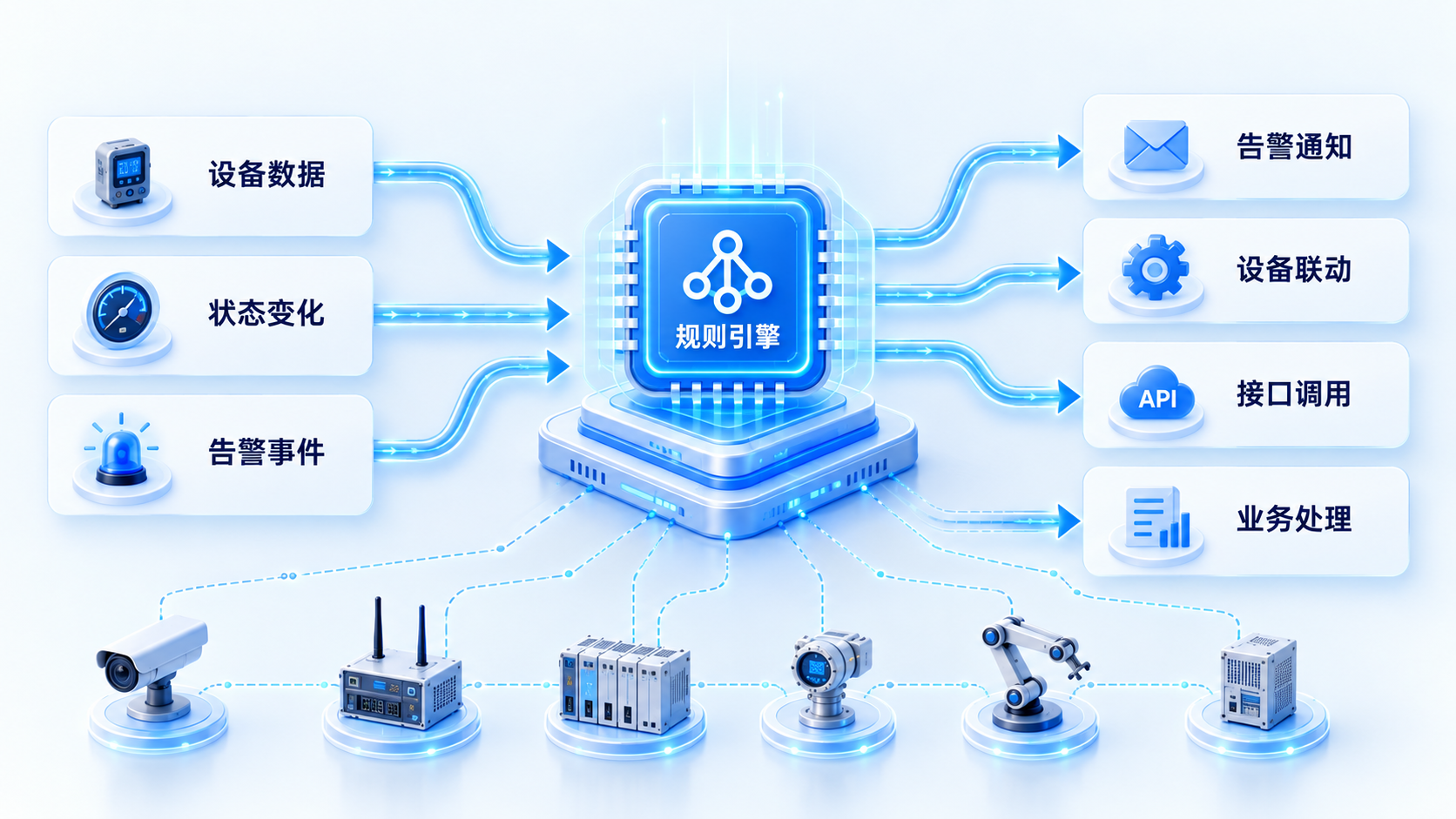
Turn device events into business actions
When device data, status or alarms meet configured conditions, the rule engine triggers notifications, coordinated device actions, API calls and business processing.
- Inputs: device data, status changes and alarm events
- Rules: evaluate configured conditions and trigger actions
- Outputs: notifications, device actions, API calls and business workflows
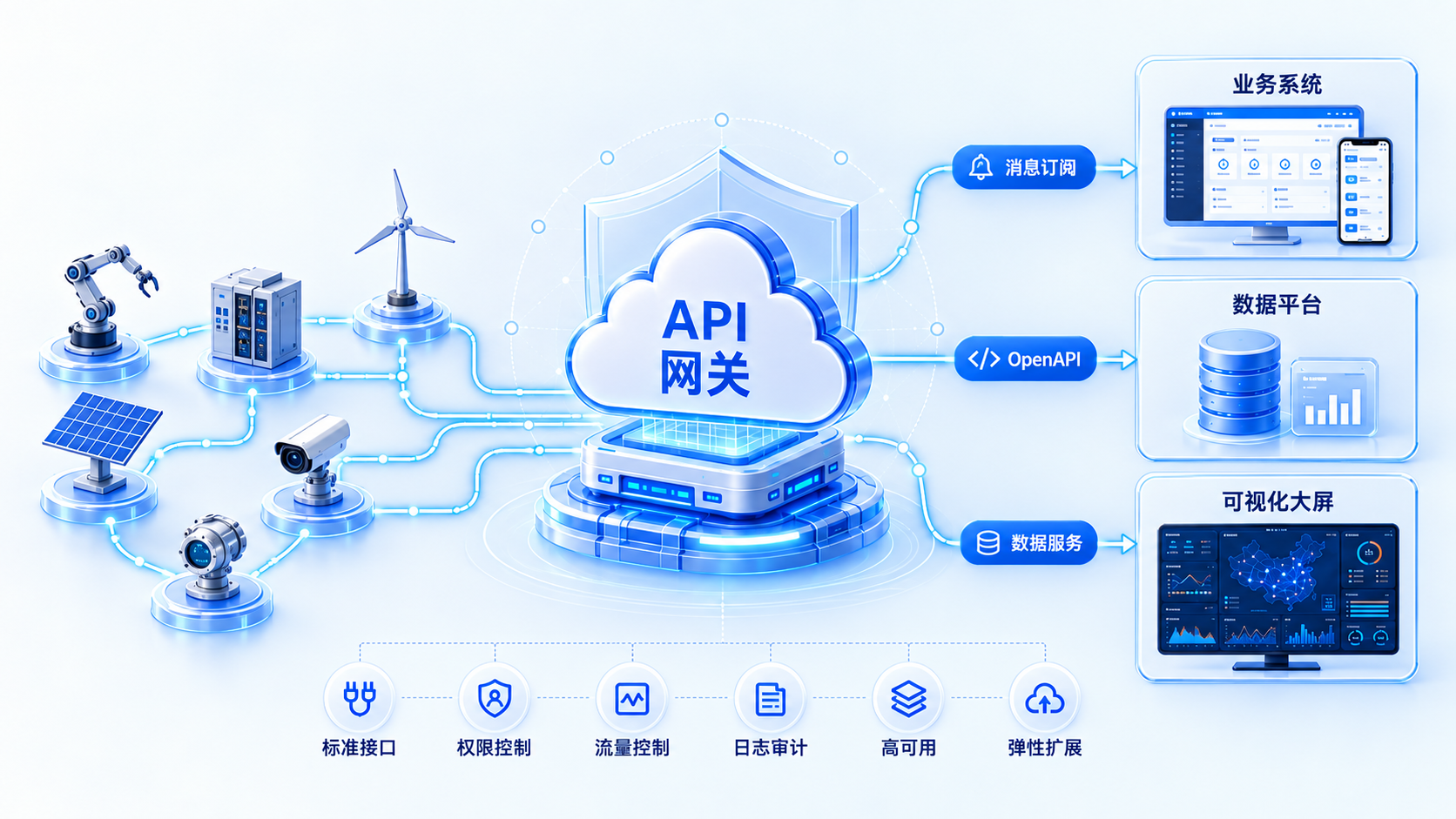
Connect existing systems through subscriptions and OpenAPI
Expose device data and alarms to business systems, data platforms and dashboards through shared data services.
- Connect applications through subscriptions, OpenAPI and data services
- Manage access with standard interfaces, permissions, rate controls and audit logs
- Support high availability and elastic scaling as integrations grow
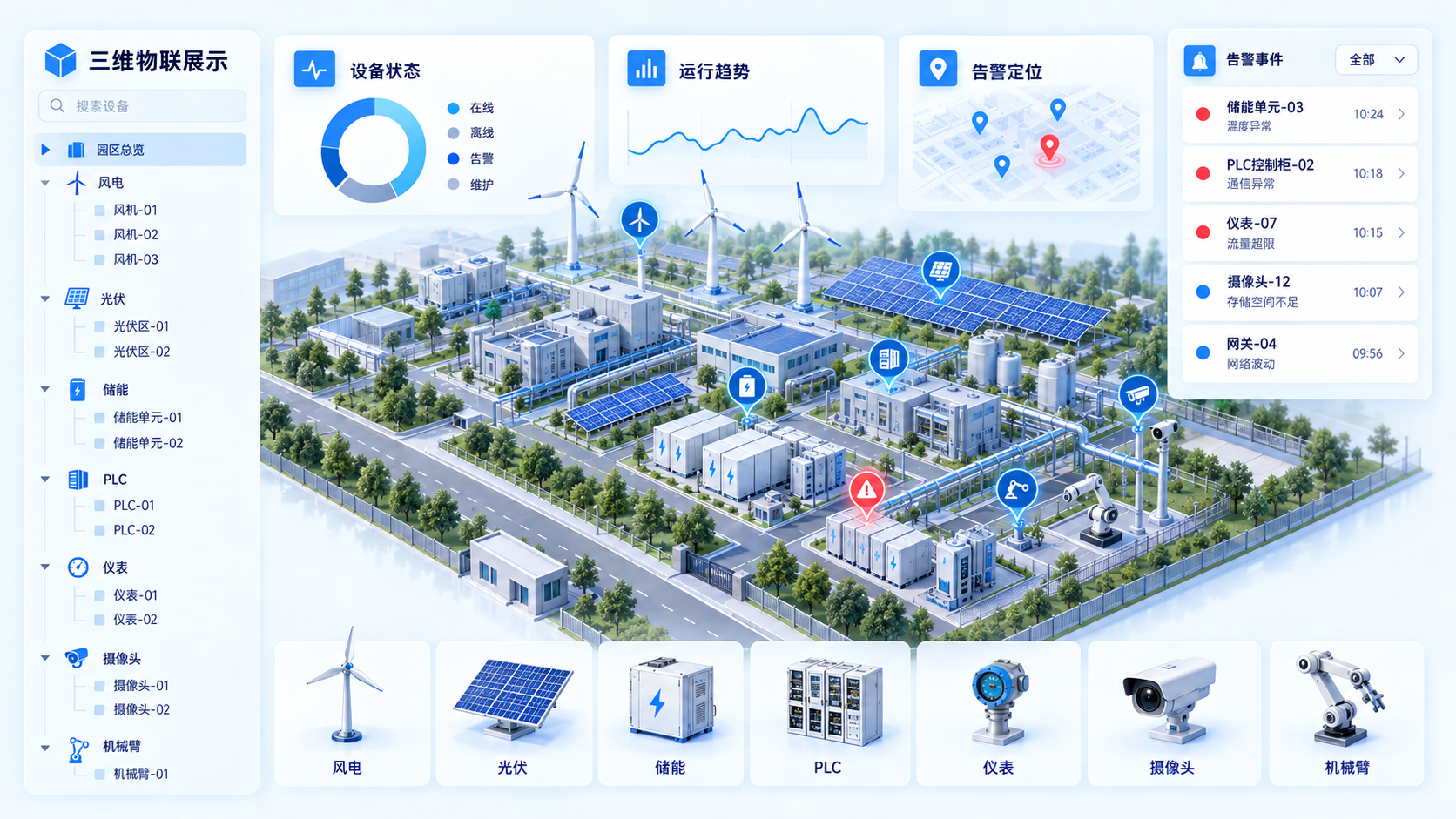
Visualize device status for operations and reporting
Combine device status, alarms, trends and spatial context in a 3D scene so operators can move from a project overview to an individual device.
- 3D scenes show where each device is located
- Locate alarms and monitor device operating conditions
- Present device status and operating trends in project reports