
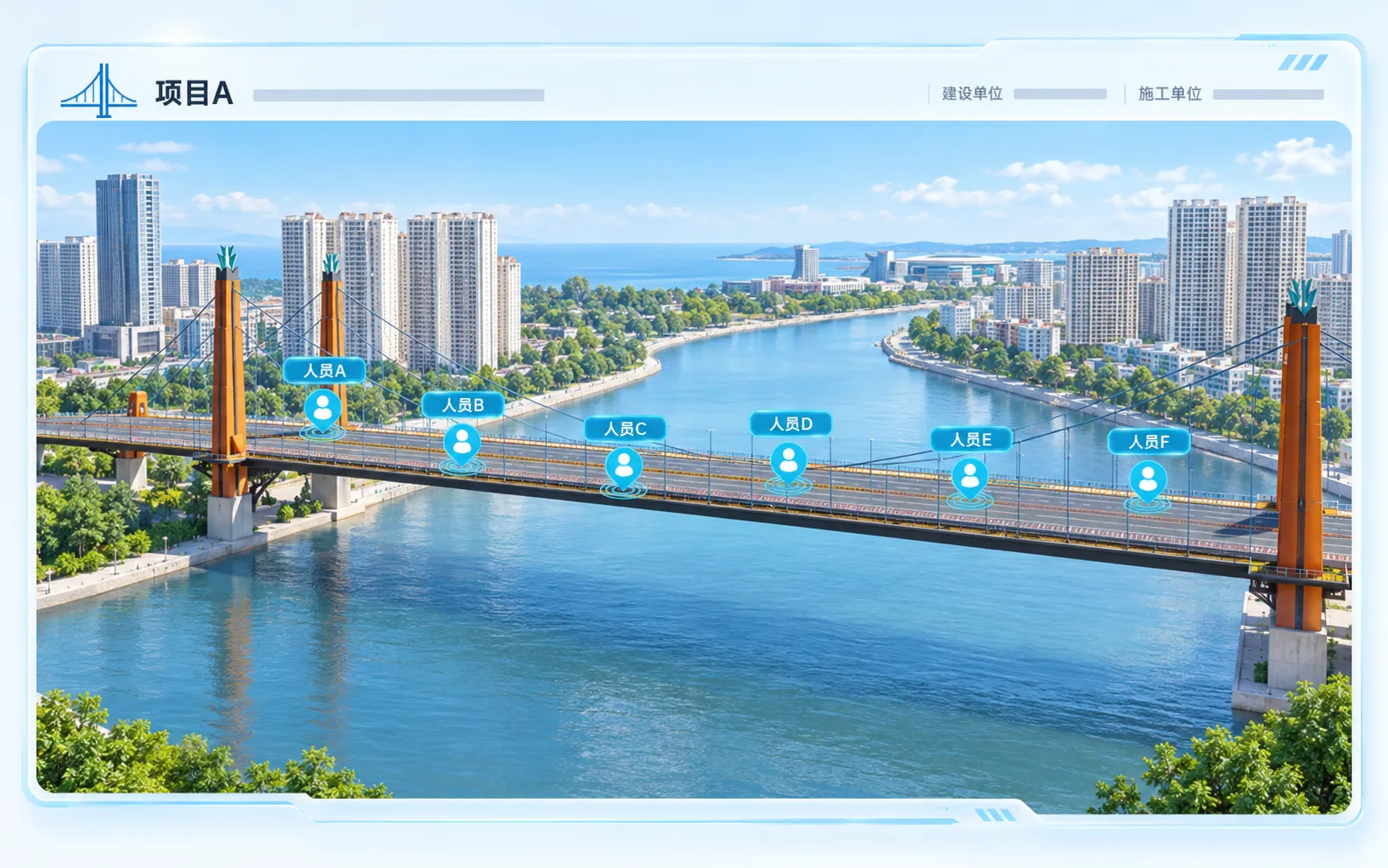
Workforce management
Bring together identity, crew, qualification, attendance and access records with positioning and controlled-area entry. Link training, briefings and behavior records to review each worker’s site history.

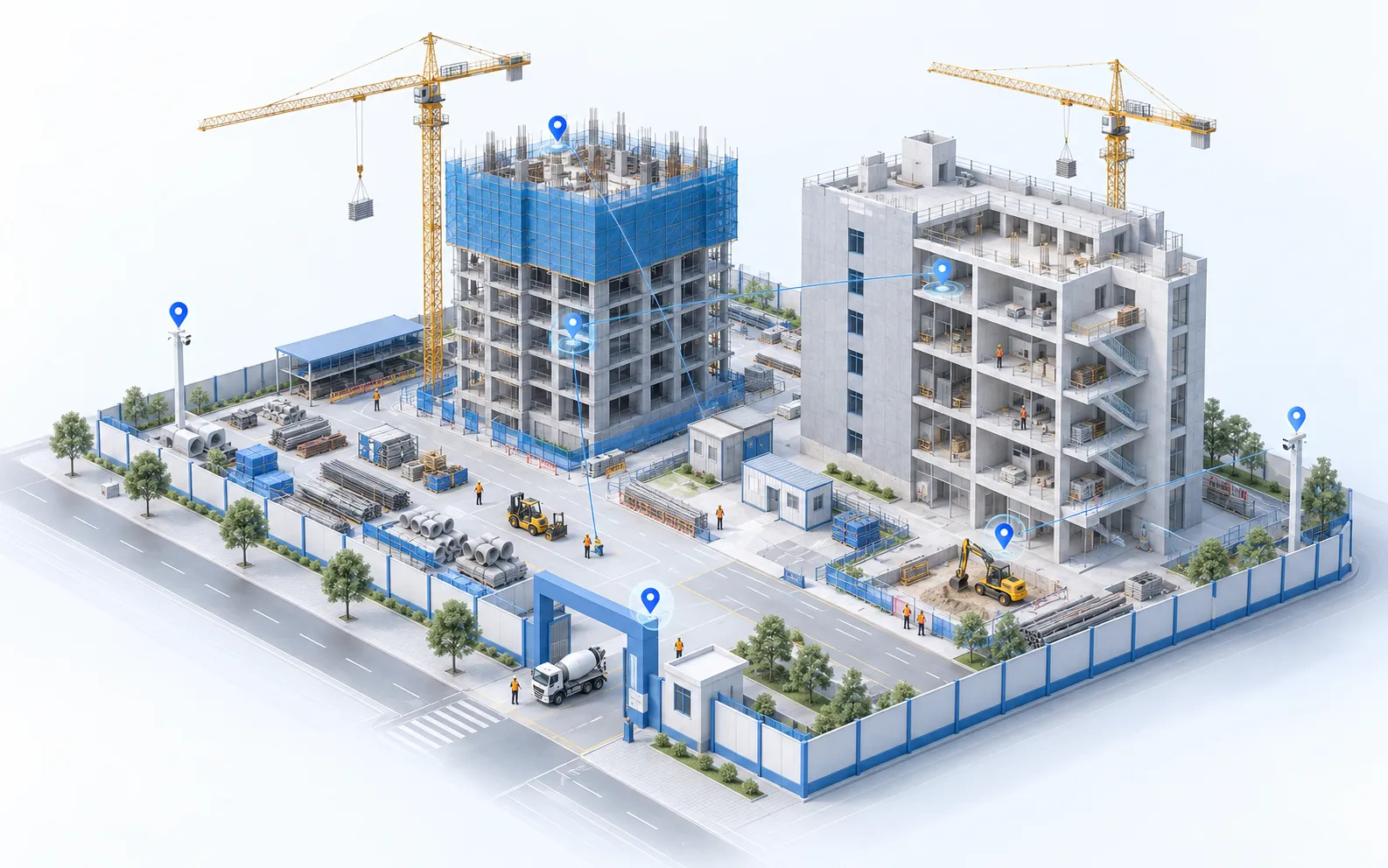
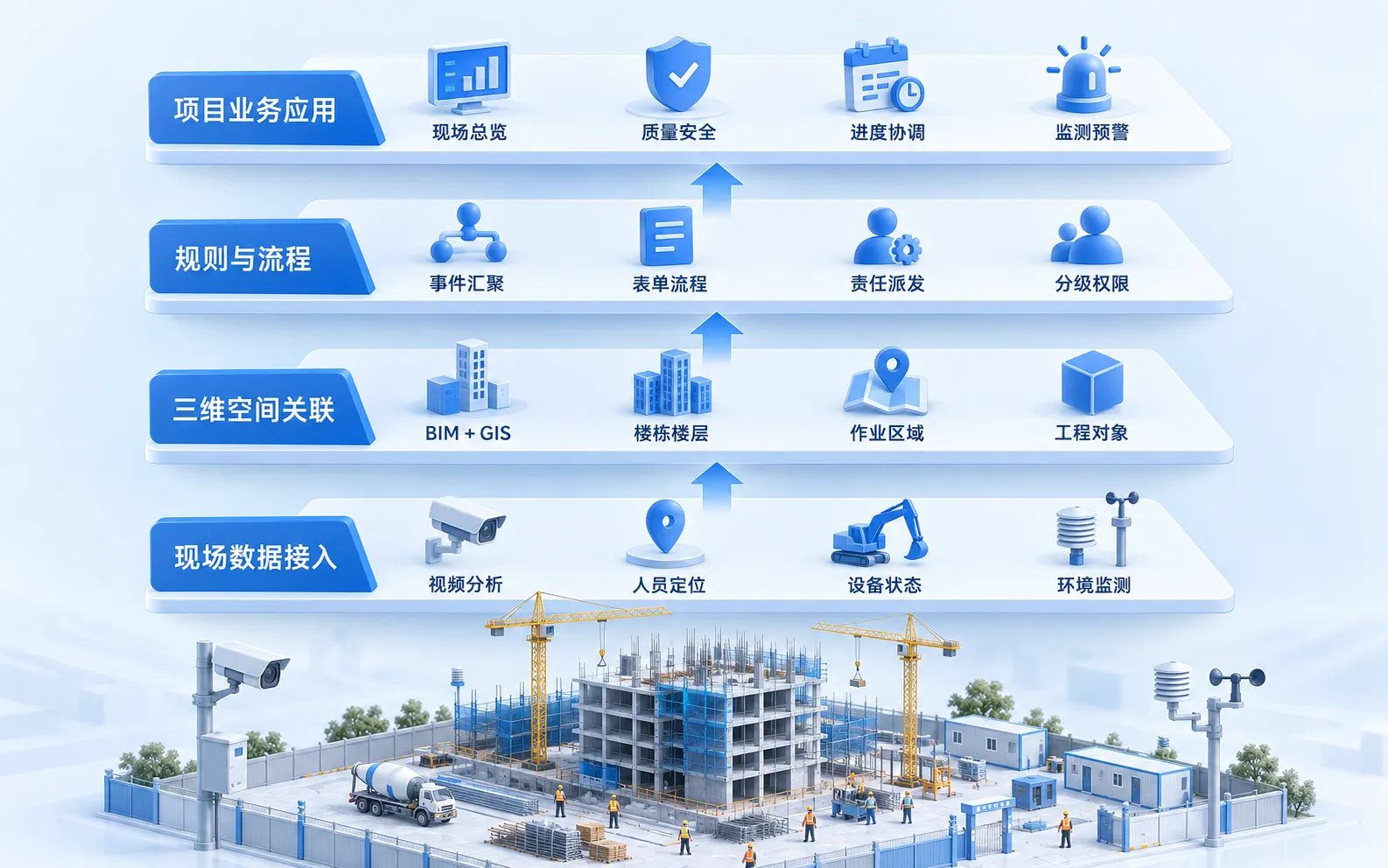
Connect video, people, equipment and engineering data. Locate issues in the 3D site and turn risk signals into trackable tasks.
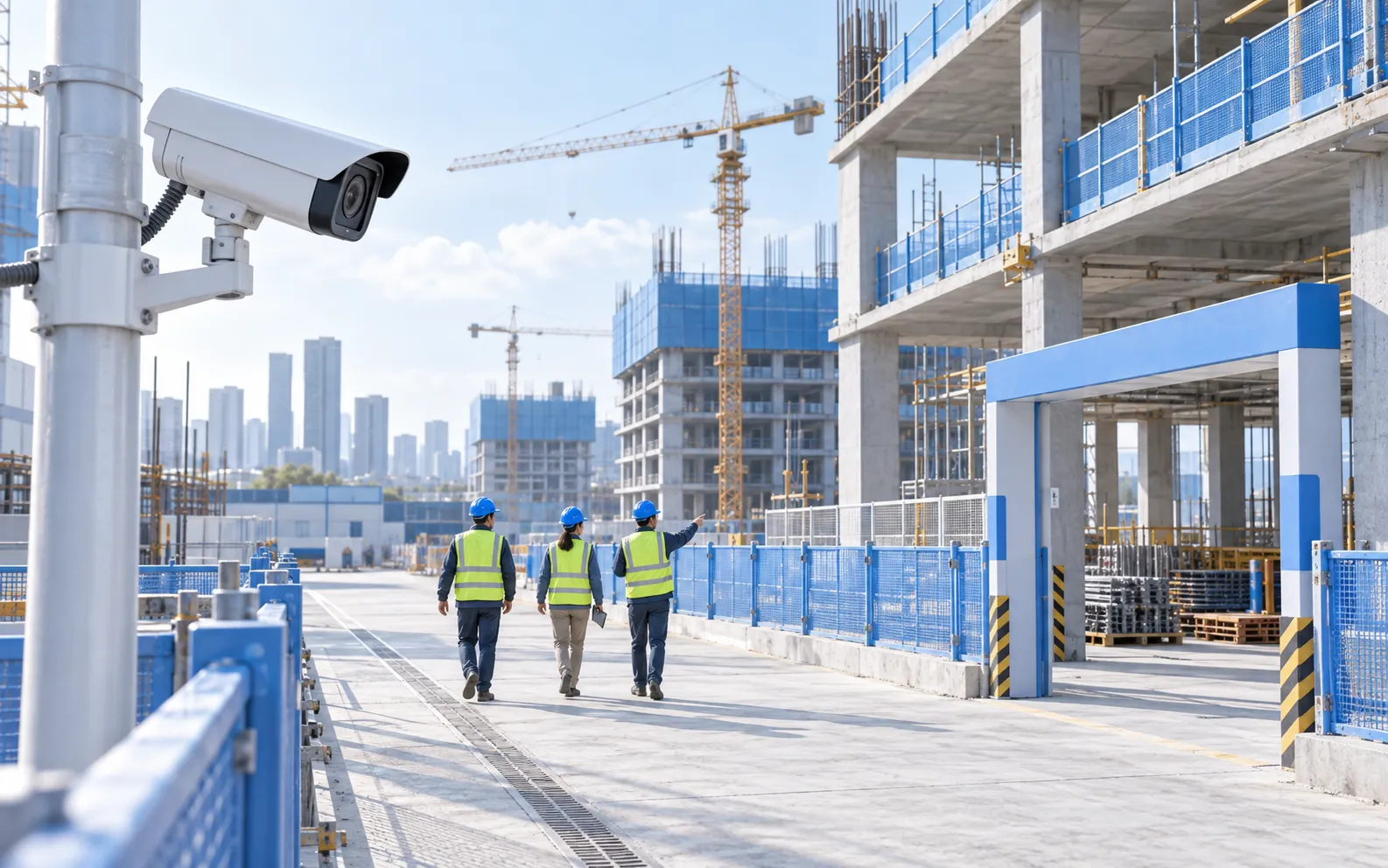
Book a demoIntegrate video and AI analysis services to suit the project. Bring suspected events, timestamps and camera locations together so teams know where to investigate.
Select detection rules for helmets, reflective clothing and restricted-area entry, linked to the relevant work zones.
Review work areas through elevated cameras and site imagery, with project-specific coverage for fire signals and exposed edges.
Retain event imagery and verification results, then assign confirmed issues for rectification.
Organize buildings, floors and work areas in BIM and GIS. Associate video, personnel locations and equipment conditions with engineering objects.
Review sections, structures and zones, then locate related cameras and sensors.
Connect positioning and access records to review distribution, routes and controlled-area entry.
Link milestones to BIM elements and use field records for progress reviews and coordination.
Bring video events, monitoring alerts and field inspections into one workflow. Keep location, responsibility and supporting records attached to every action.
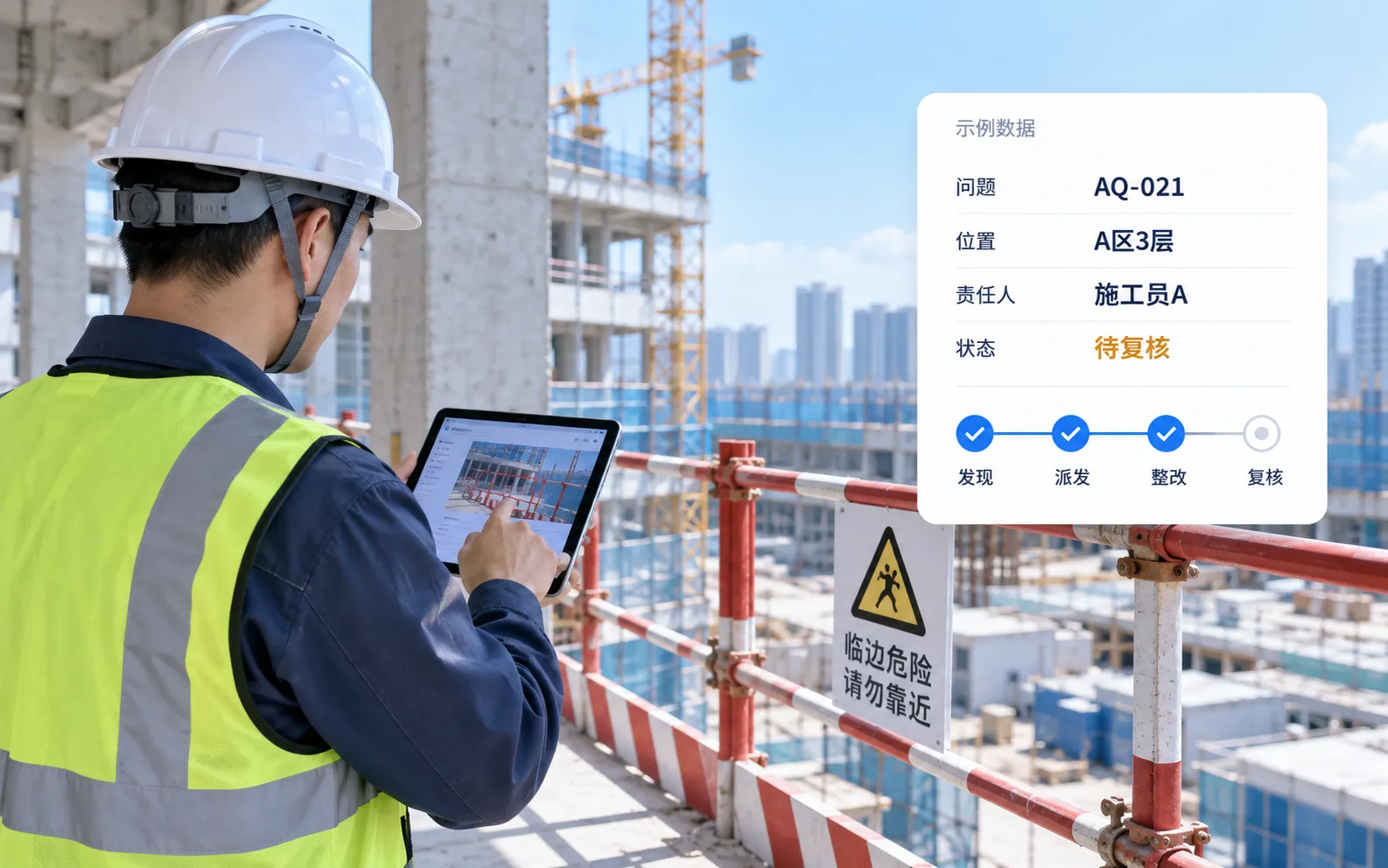
Gather the event time, location, images and monitoring information.
Verify site conditions, assign accountable teams and define the required action.
Track the task, record corrective work and attach field evidence.
Record the review result and retain the issue history against the engineering object.
Use the Nebula AI 3D Digital Foundation Platform to connect field sensing, spatial objects and workflows. Integrate in phases around available interfaces and deployment conditions.
Connect existing systems to relate workforce, equipment and environmental records to areas, crews and assets.
Bring together identity, crew, qualification, attendance and access records with positioning and controlled-area entry. Link training, briefings and behavior records to review each worker’s site history.
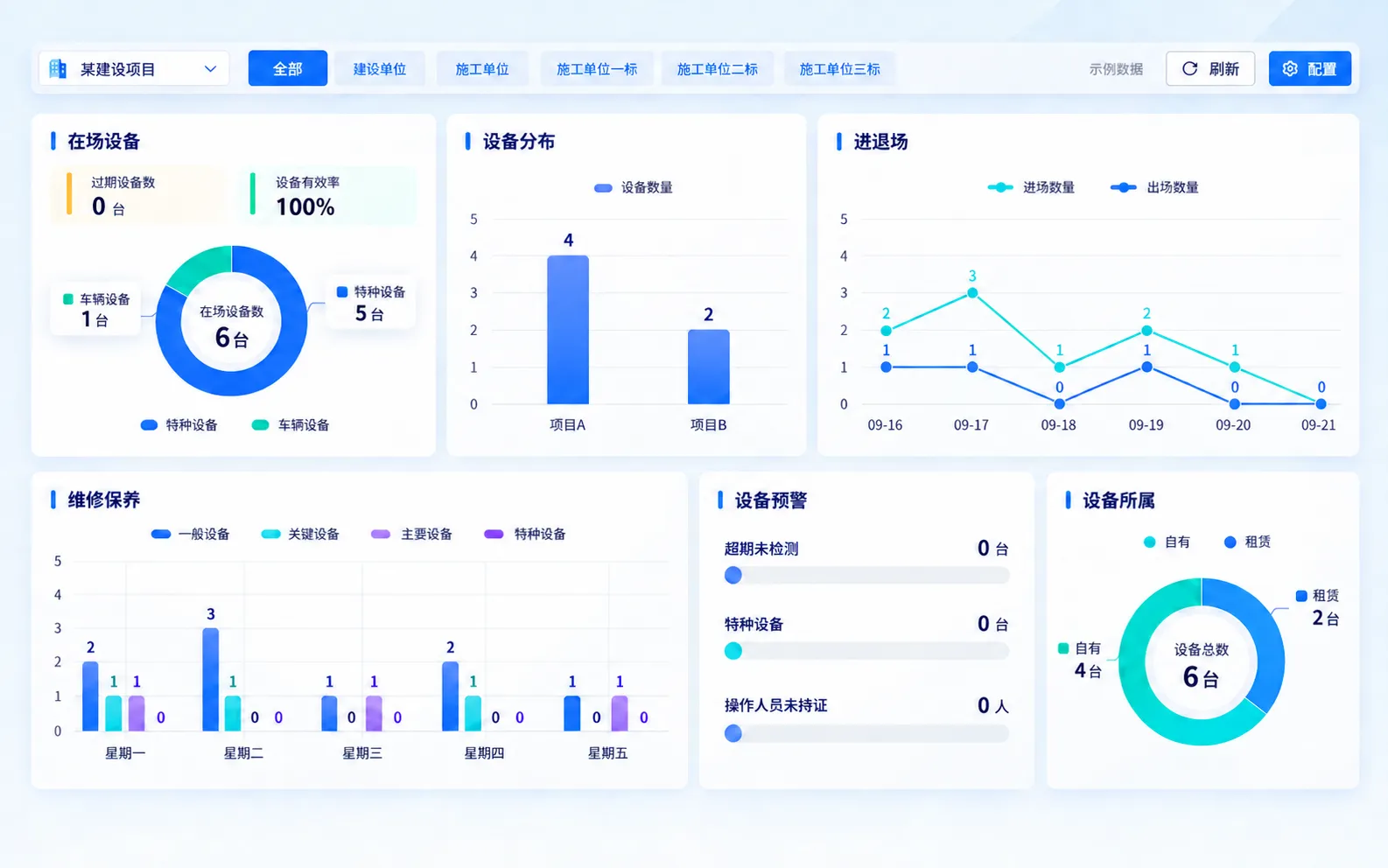
Maintain registers for cranes, hoists and other machinery. Connect available operating data, video and alerts, alongside inspections, maintenance, operating hours and fuel records for scheduling and follow-up.
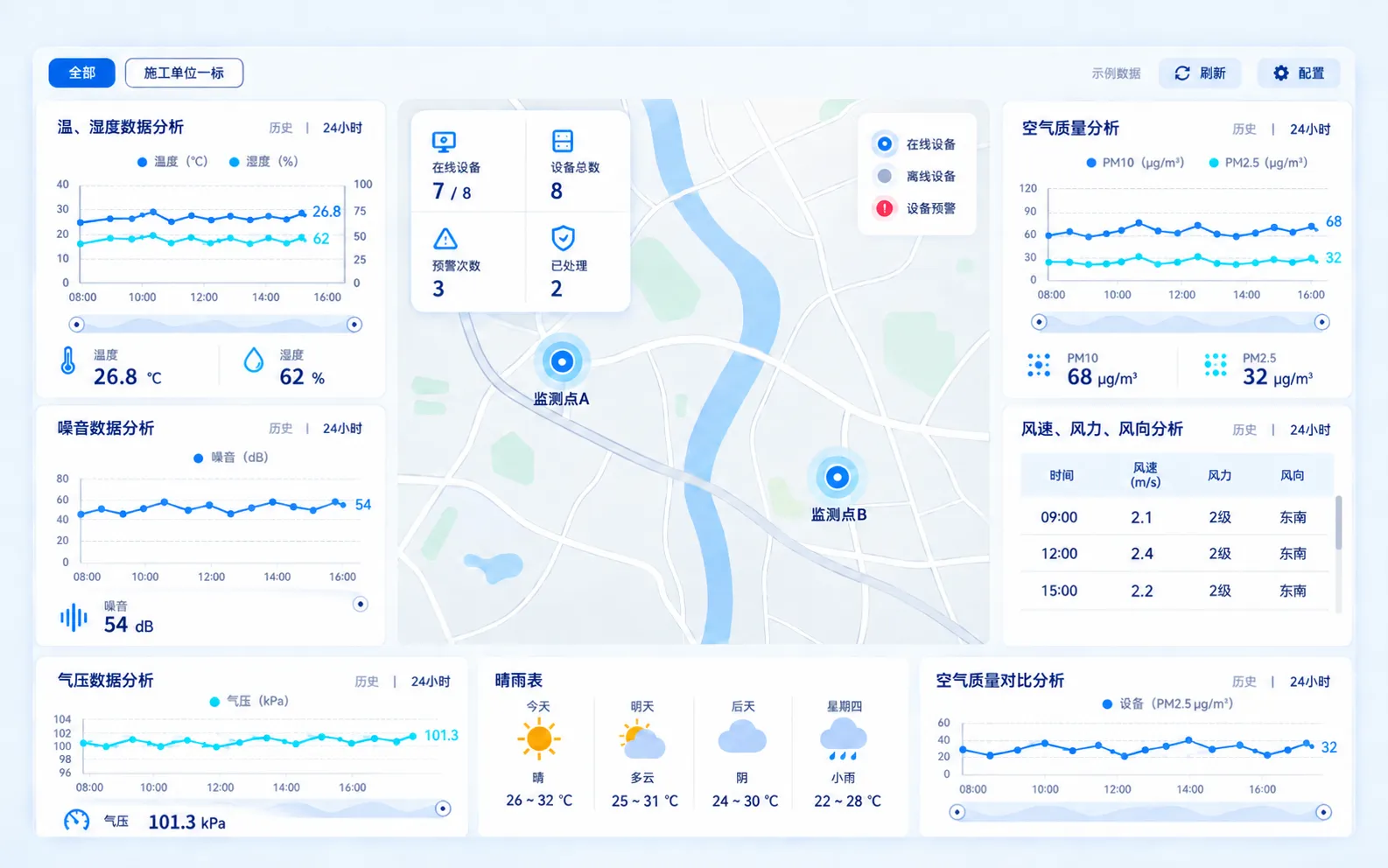
Combine dust, noise and weather readings with water and electricity use by area. Configure alerts and dust-suppression links where equipment supports them, retaining environmental and energy records.
Connect engineering objects, monitoring points and field tasks from observation through corrective action and review.
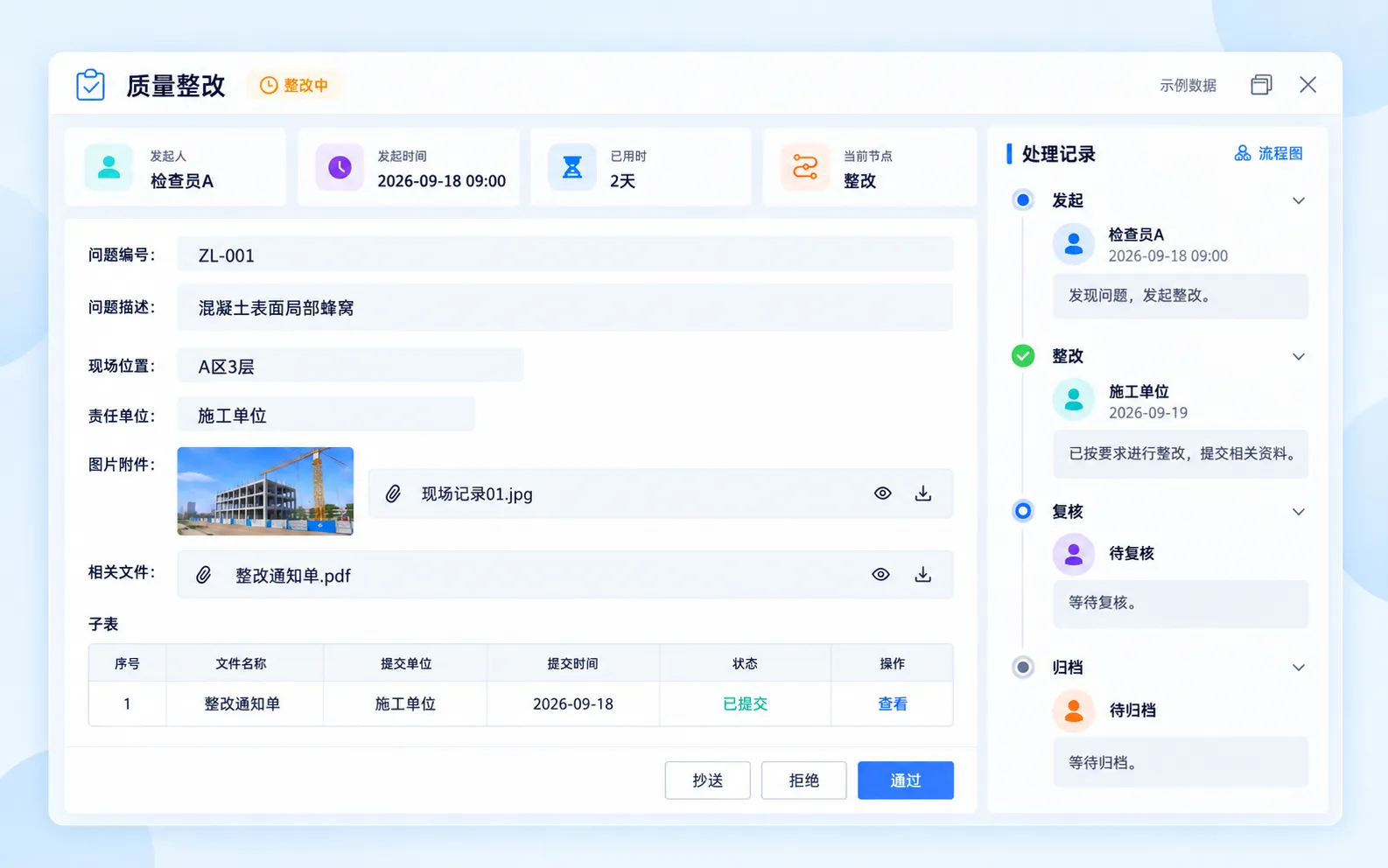
Link measurements, quality inspections, method briefings and sample documentation to buildings, floors and elements. Record locations, photos and accountable teams, then retain corrective actions, reviews and acceptance records.
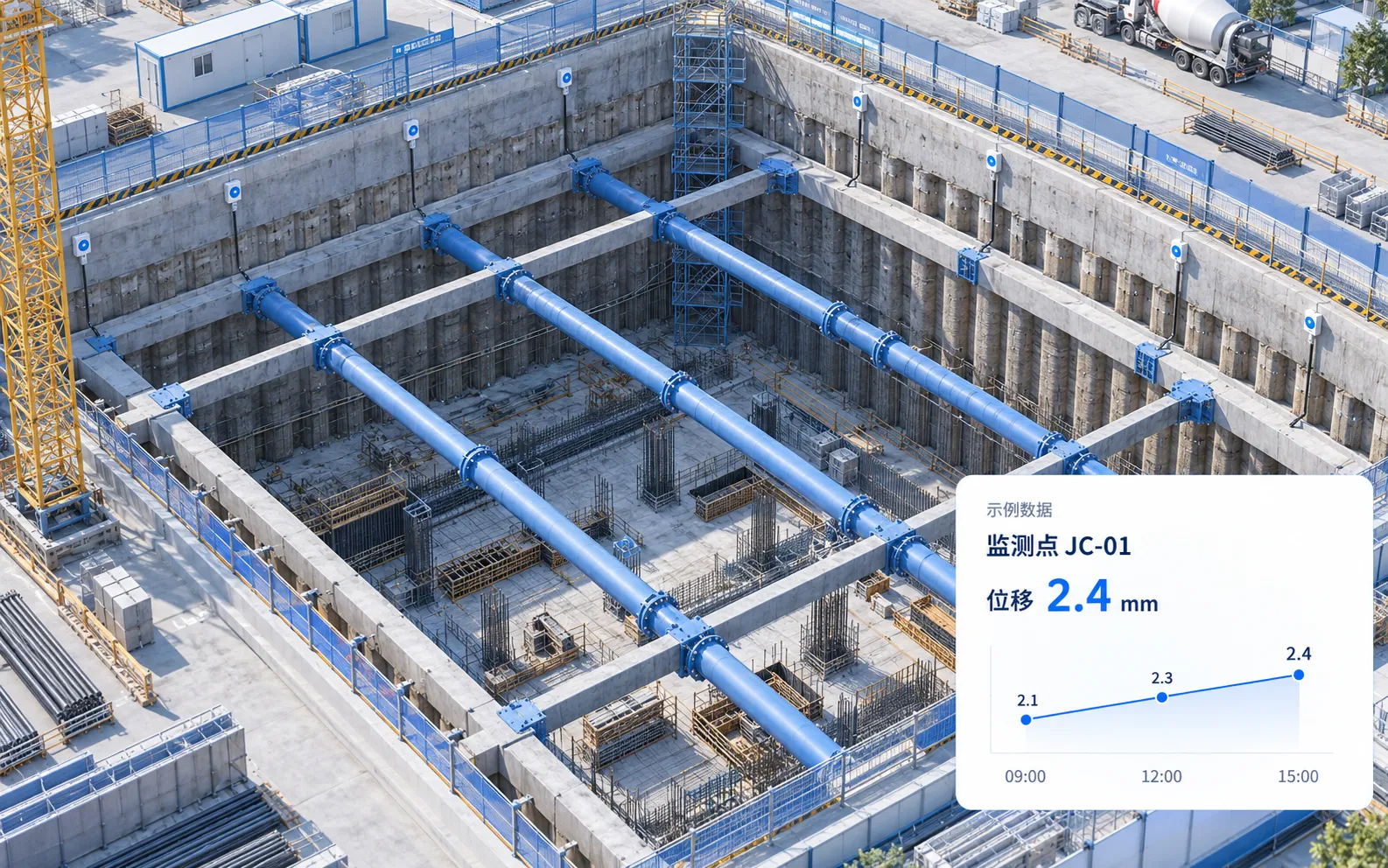
Integrate specialist monitoring for excavations, formwork and loading platforms. Locate sensors, inspect trends and review alerts, supporting specialist verification against work plans and inspection records.
Organize inspections around edge protection, fire safety and critical work areas. Combine barrier status, video and mobile findings with assigned owners, deadlines, patrol records and reviewed corrective actions.
Connect specialist systems within the project scope, relating production and material records to schedules and work locations.
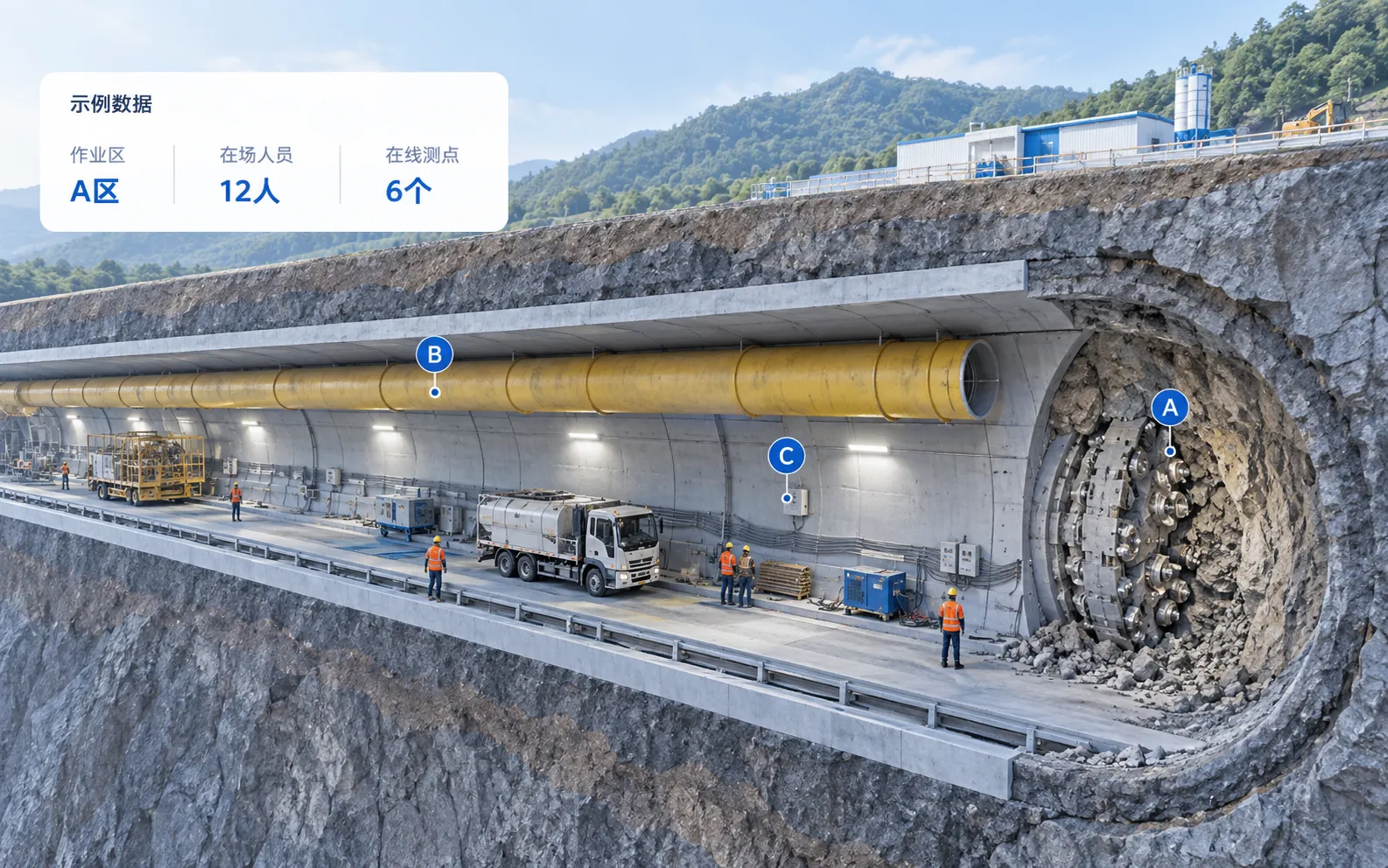
Bring together positioning, video, gas readings and specialist monitoring for tunnel faces and work zones. Review work cycles and progress, and connect available communications and alerts to location-based response records.
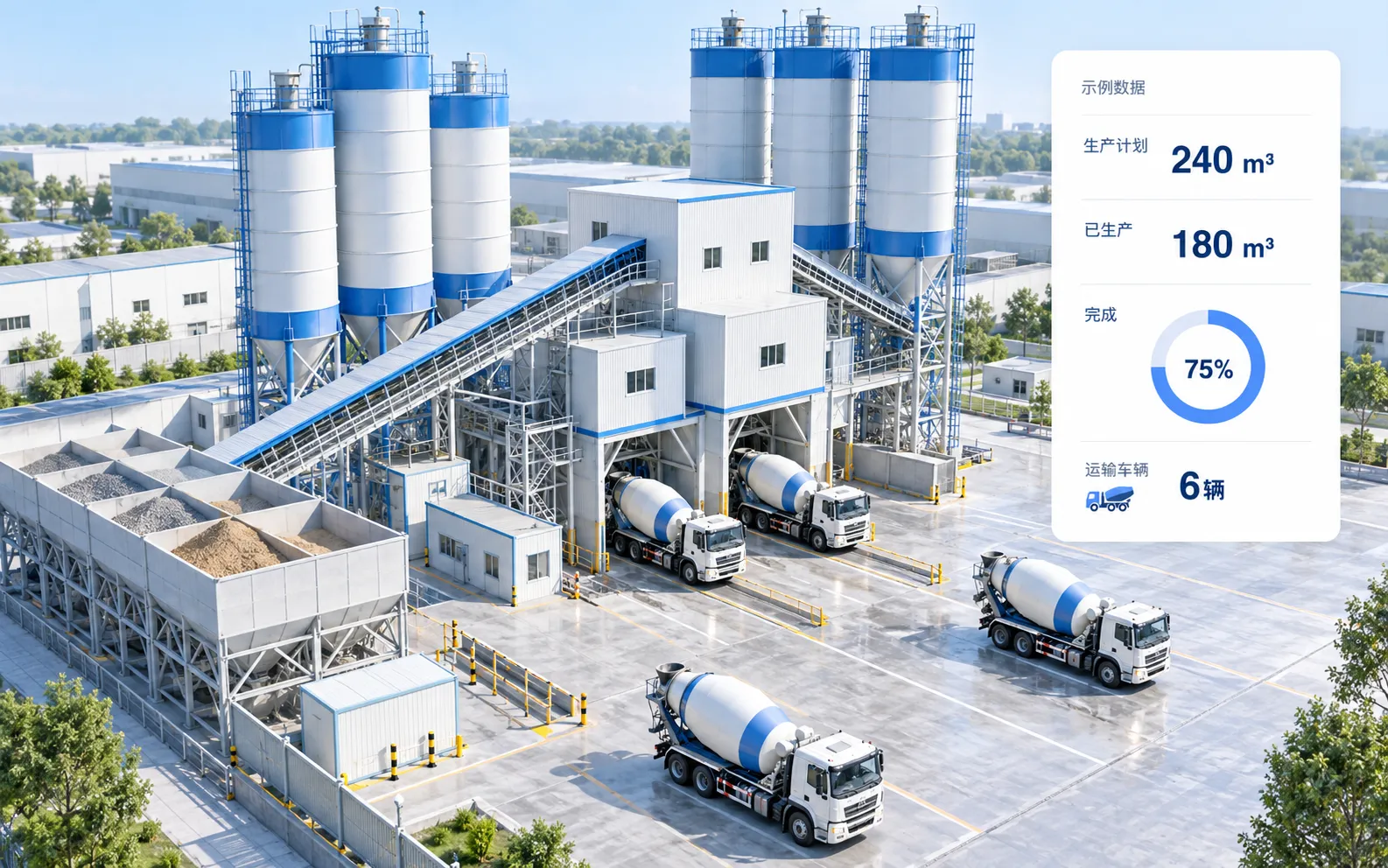
Connect materials, mix designs, production, transport and test records to concrete orders, supply plans and pour locations. Relate dispatch, top-up deliveries, surplus material and quality records to site progress.
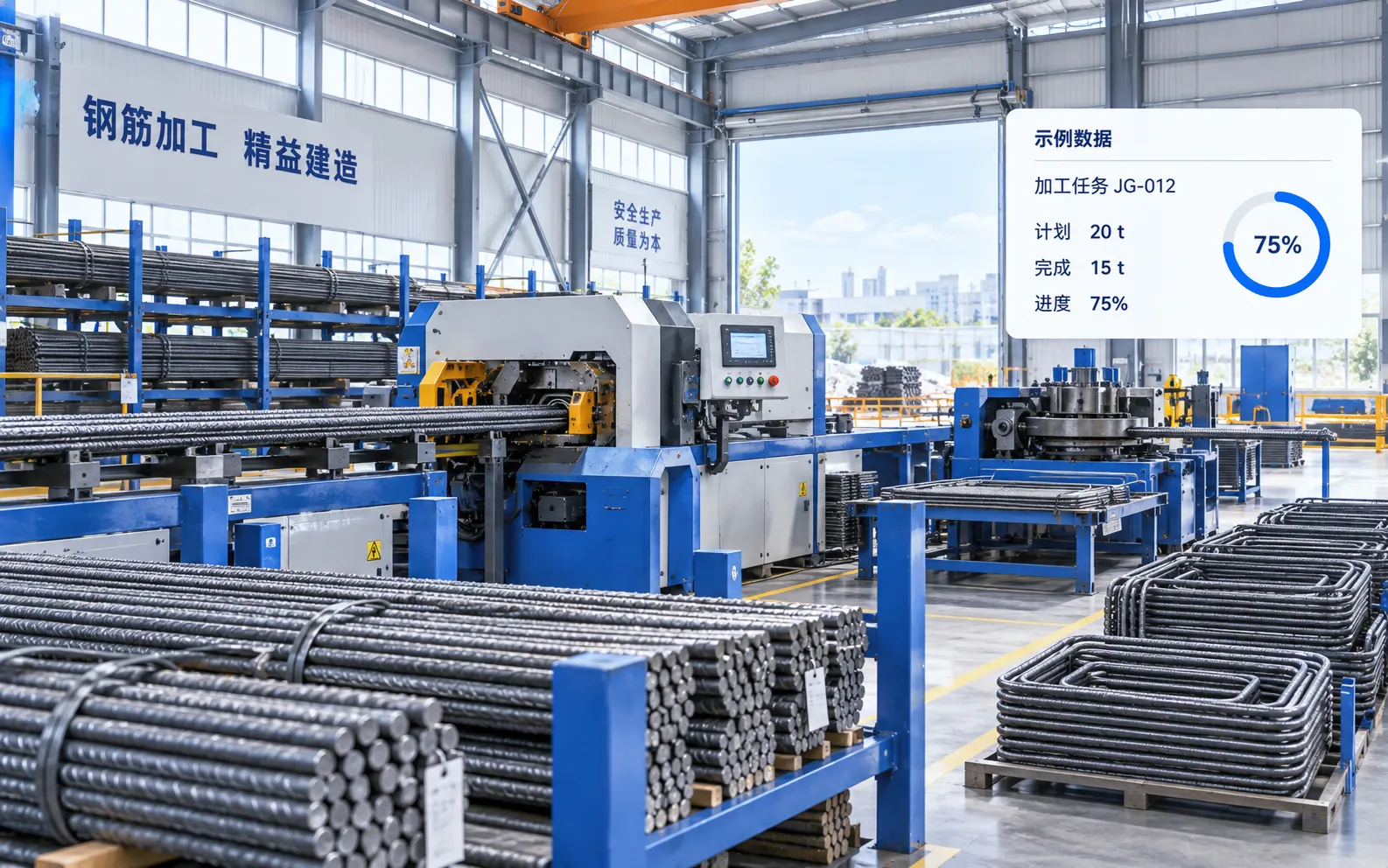
Connect incoming stock, cutting schedules, production and finished-item dispatch with task approvals and scan records. Relate work locations, production status, inventory and reconciliation to on-site use.
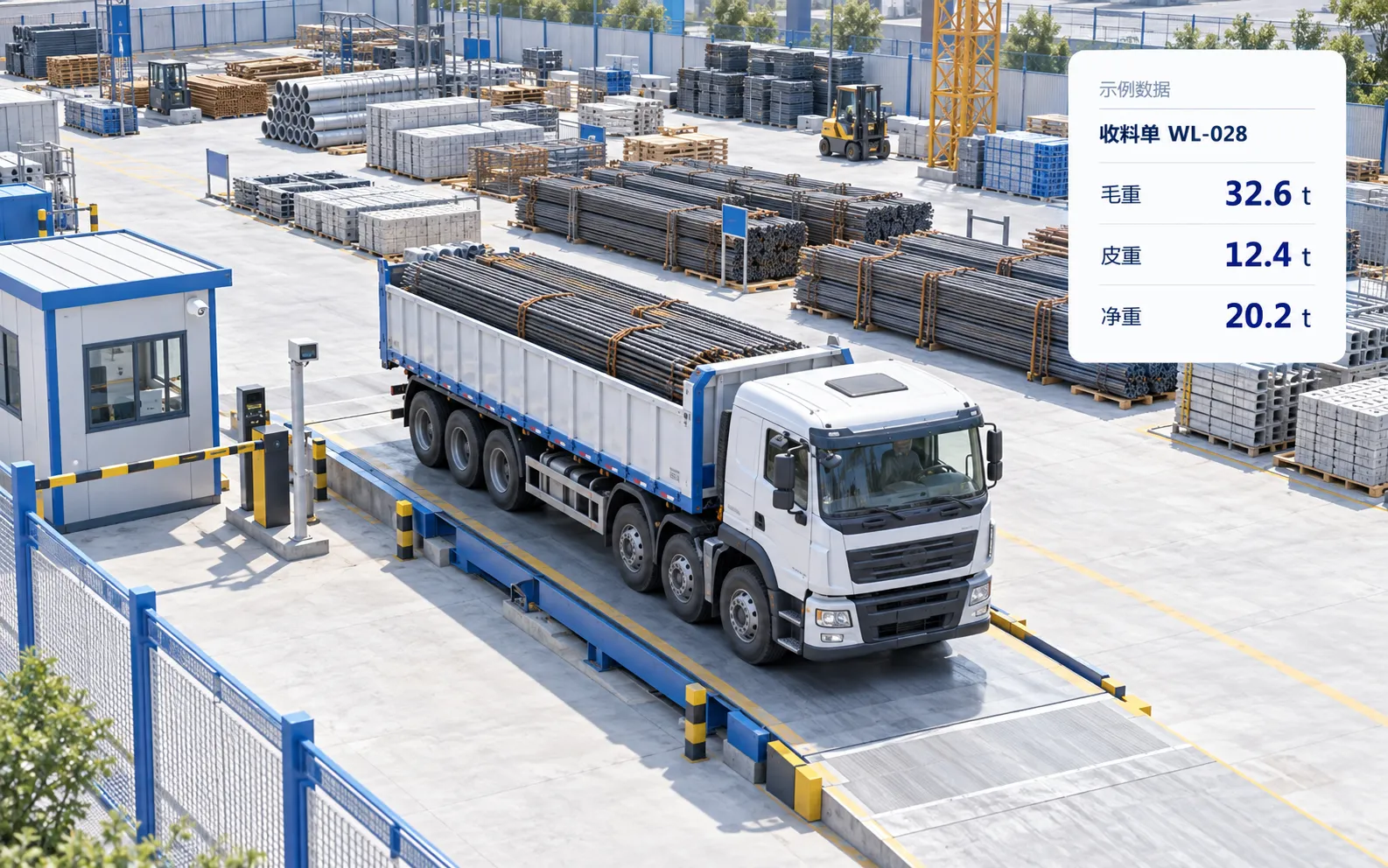
Integrate weighbridge data, vehicle images and material acceptance with purchasing, receipts, issues and reconciliation. Compare weight differences and records to flag items for review and trace material movements.